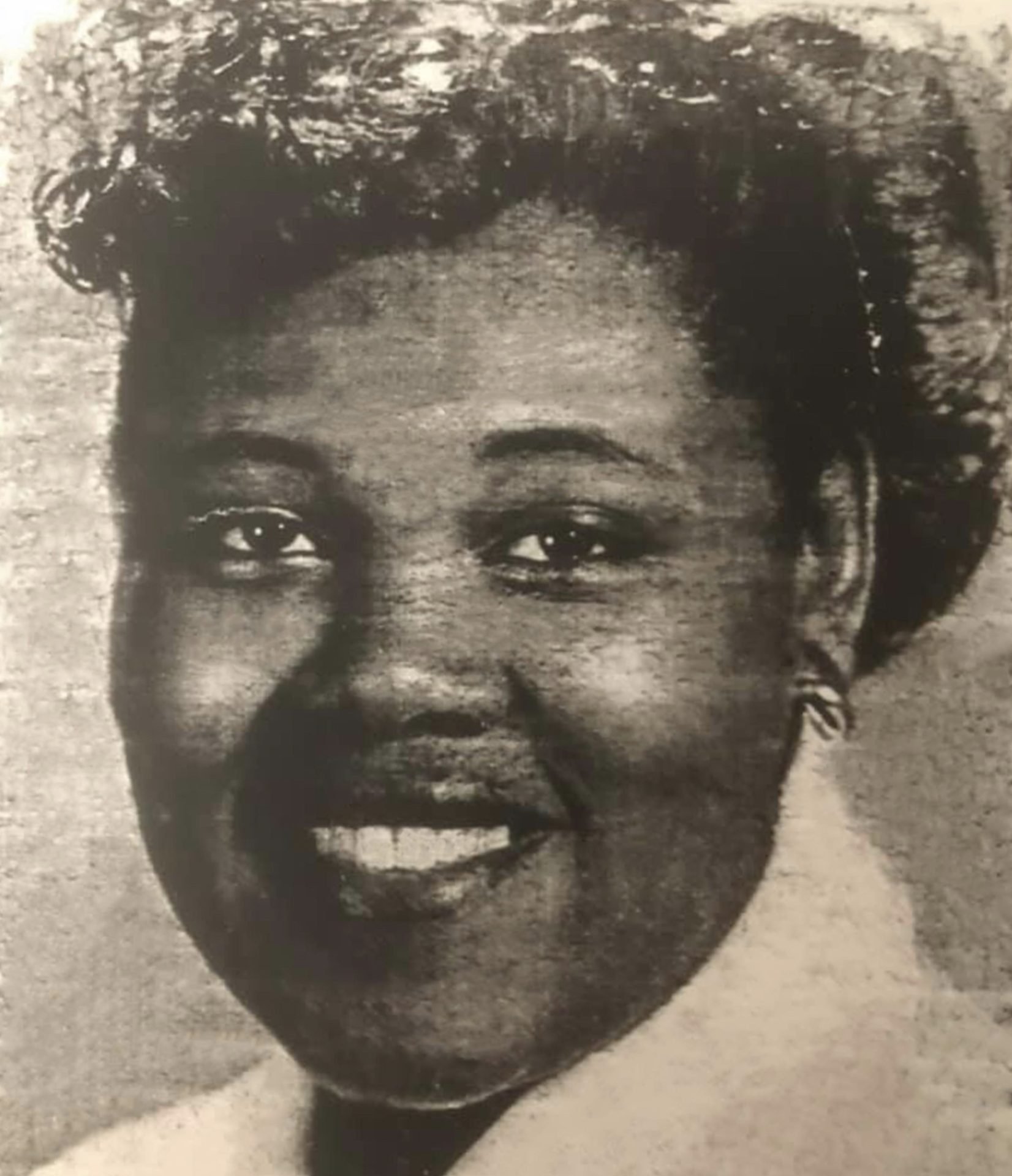
Earl Rudisill
Earl Rudisill graduated from Douglass High School and earned an engineering degree from Hampton University in Virginia. He later attended West Virginia State University in preparation for entrance into the Signal Corps during World War II. African Americans had been barred from integrating with white squadrons, so a group of civil rights advocates persuaded the government to create African American squadrons, and Earl became part of the Tuskegee Airmen’s 332nd group.
He was head of the 1000 signal corps communication air to ground Tuskegee Airmen group for the P-51 mustang, P-39 and P-40 aircraft during World War II. He installed the first radio transmitter in the P-51 mustangs, which later became an overwhelming success during combat operations against the German Luftwaffe. Rudisill served in Italy before his last duty station in Chicago. He served with Mac Ross and Wiley Seldon, two of the first pilots in the 332nd Tuskegee Air Group. Their commanding officer was General Benjamin O. Davis.
Rudisill never boasted about being a Tuskegee Airman and always spoke in a soft voice when responding to questions about his war experiences. He lived his life as a role model for other generations to appreciate his legacy of becoming successful as an airman while fighting two wars, one against the Germans and the other against racism. He is quoted as saying, “You can be successful in life, regardless of your situation, if you continue to focus on your objectives.”
Rudisill retired from Boeing Aviation Testing Facility in Tulsa, Oklahoma, where he continued to service electronic equipment for aircraft. He was a long-standing member with Huntington OWLs and was a dedicated member of the First Baptist Church in Huntington. In 2007, Rudisill received the Congressional Gold Medal of Honor.
Search for Someone
Know who you’re looking for? Try searching for them:
Allen, LeRoy Banks, Reverend Dr.

Barnes, David Parker, Sr.
Barnes, LeRoy
Barnes, Walter L.

Barnett, Carter H.
Bradshaw, Roslyn Denise
Brown, Royale
Brydie, Gary P., Pastor
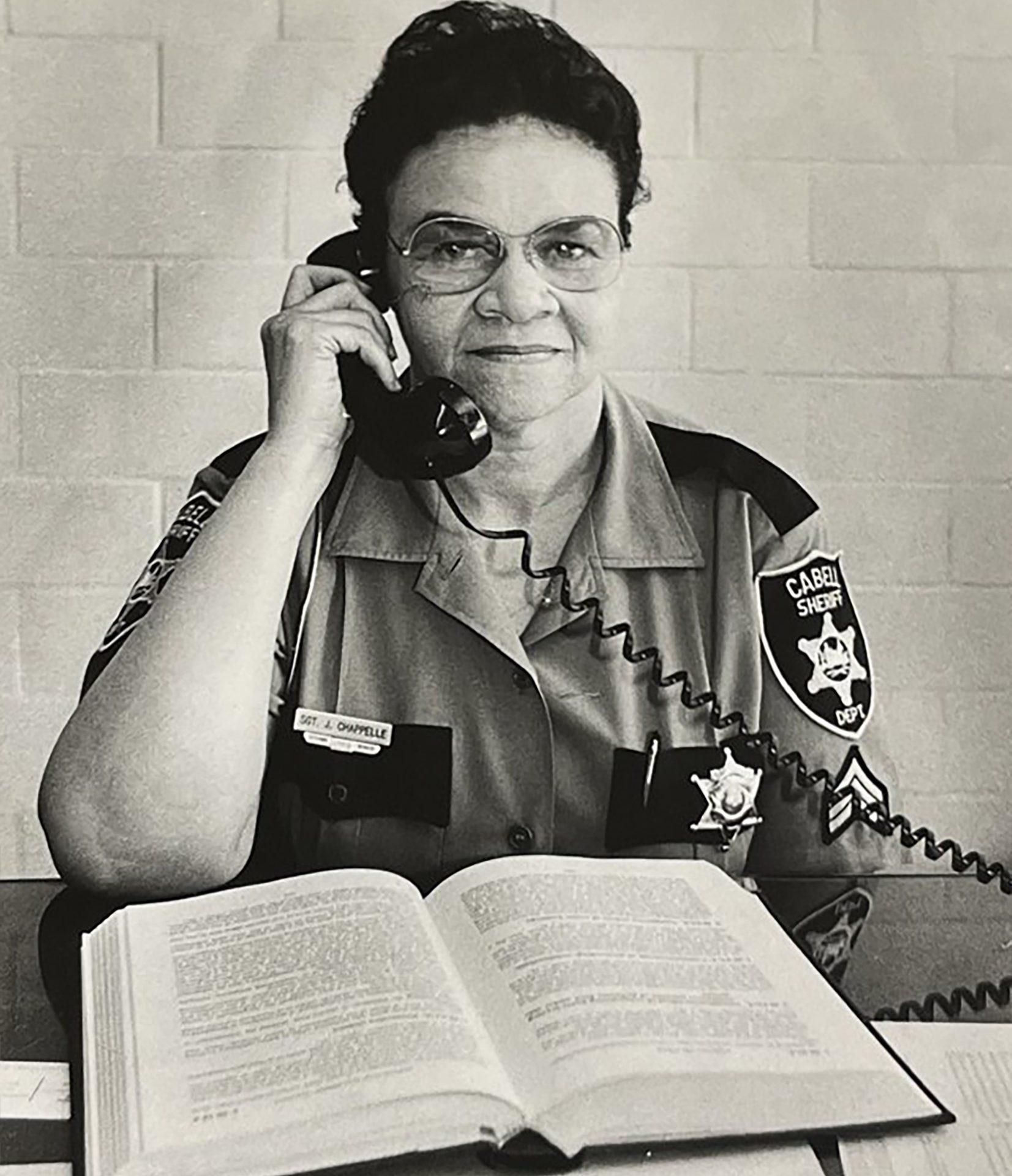
Chappelle, Joan, Lt.

Coleman, Joe and Janella
Congleton, Edna
Davis, Cora

Dawson, Roberta
Elliot, Dr. William K.

Fain, Cicero M., Jr.

Felder, Rhonda
Ferguson, Steven L.

Ferrell, Yolanda Maxine

Fitzpatrick, Constance Claytor